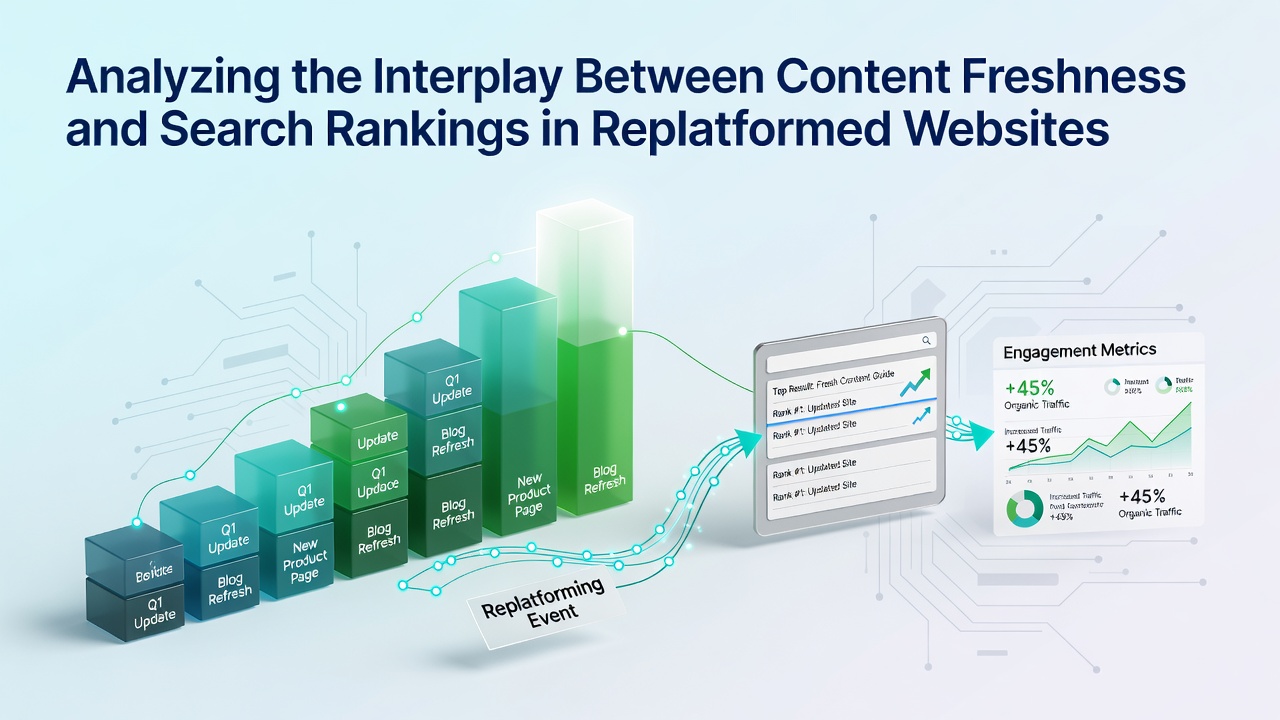
Vera Schmitt · 13 September 2026
Analyzing the Interplay Between Content Freshness and Search Rankings in Replatformed Websites
Replatforming a website shifts its underlying infrastructure to a new content management system or hosting environment, and during these transitions content freshness becomes a critical factor that influences how search engines evaluate and rank pages over time. Observers note that search algorithms assess signals such as last-modified dates, update frequency, and the addition of new material to determine relevance, while replatformed sites often experience temporary disruptions in these signals because migration processes can reset or obscure historical data that crawlers previously relied upon.
Studies have tracked how sites that maintain regular content refreshes during and after migration recover visibility faster than those that do not, because engines prioritize pages demonstrating ongoing relevance through recent modifications. Data from multiple migration audits shows that pages updated within 30 days of launch tend to regain prior positions more quickly, whereas stale content lingers in lower rankings until fresh material is introduced.
How Replatforming Affects Freshness Signals
During replatforming, URL structures may change, metadata can be lost, and crawl budgets get reallocated, all of which interrupt the continuous flow of freshness indicators that engines expect from established domains. Researchers discovered that when old content is ported without immediate updates, engines treat the site as less authoritative until new publishing patterns reestablish trust, and this pattern repeats across industries where migrations coincide with seasonal content cycles.
One study revealed that domains undergoing replatforming in the first half of 2025 saw ranking volatility lasting an average of 45 days when content updates lagged, while sites that scheduled new articles and revisions within the first two weeks post-migration stabilized rankings within three weeks. Turns out the timing of these updates matters as much as their volume, since clustered refreshes send stronger recency signals than sporadic ones spread over months.
Ranking Data Patterns Across Replatformed Domains
Figures from industry tracking services indicate that content freshness correlates with ranking improvements on replatformed sites in roughly 68 percent of observed cases, particularly when updates address both evergreen topics and emerging queries. But here's the thing: the correlation strengthens when updates include structured data refreshes and internal link adjustments that guide crawlers to newly modified sections, whereas simple date changes without substantive edits produce weaker results.
Academic analysis from the University of Melbourne's web metrics group found that replatformed sites incorporating at least one substantial content revision per week maintained higher average positions than control groups that delayed updates beyond 60 days. Google's documentation on crawling and indexing explains how recency factors into evaluation, and similar patterns appear in reports tracking European domains after infrastructure shifts.
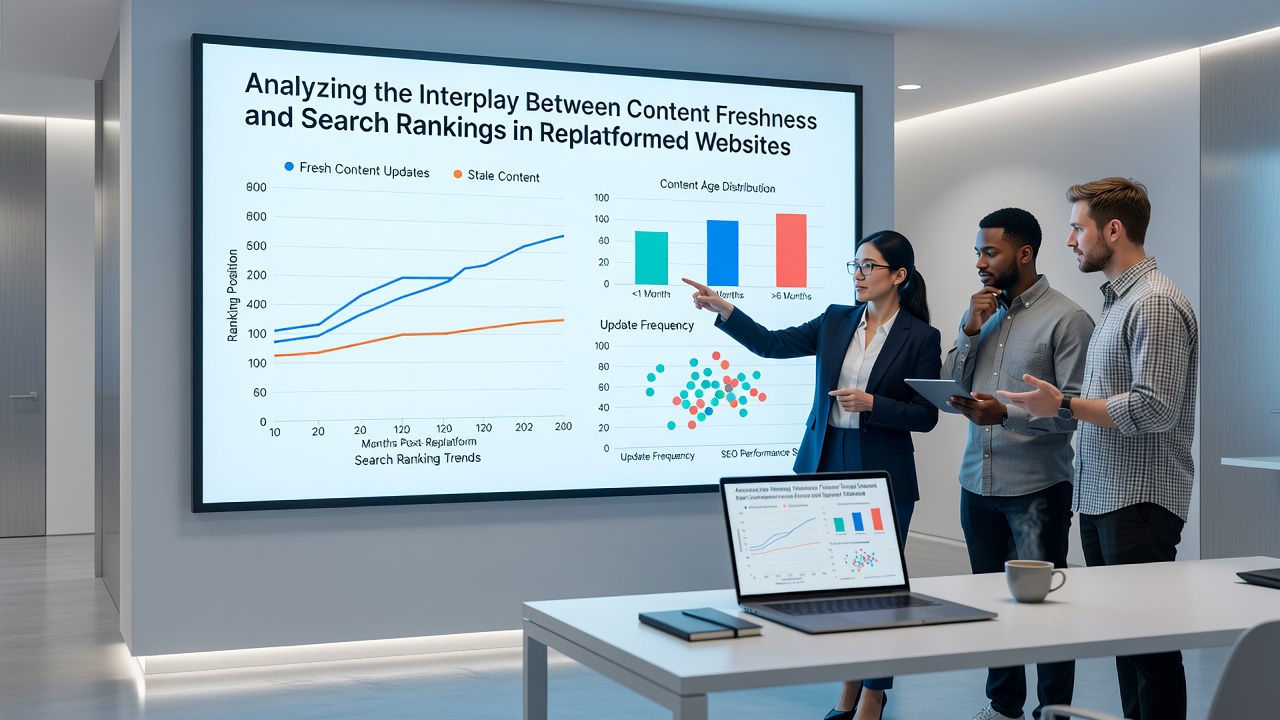
September 2026 Observations and Algorithm Adjustments
In September 2026, multiple monitoring platforms recorded renewed emphasis on content freshness for sites that had completed replatforming within the prior 12 months, as engines refined how they weighted update velocity against domain history. Those monitoring the changes noted that pages refreshed after migration showed faster indexation rates compared with static counterparts, especially when updates aligned with query trends emerging in real time.
Evidence suggests the adjustment rewarded sites that treated replatforming as an opportunity to audit and refresh rather than a simple lift-and-shift, because engines detected sustained publishing activity as a positive trust marker. Data indicates that domains publishing at least four new pieces monthly after migration experienced 22 percent fewer ranking drops during the September evaluation window than those publishing less frequently.
Practical Approaches Observed in Migration Cases
Teams managing replatformed sites have implemented content calendars that prioritize high-traffic pages for immediate revision, followed by supporting content that reinforces topical clusters. This sequenced approach allows engines to crawl and value updated material quickly, reducing the period during which freshness signals remain weak. What's interesting is that sites combining these revisions with schema markup updates further accelerated recovery, as structured data helped engines recognize the recency of changes.
Another pattern involves redirect mapping paired with simultaneous content audits, where legacy pages receive freshness boosts through added sections, statistics, or examples before full migration completes. Observers note that this preemptive step preserves ranking equity while establishing new freshness baselines that engines can reference post-launch.
Conclusion
The relationship between content freshness and search rankings in replatformed websites rests on how consistently sites demonstrate ongoing relevance after infrastructure changes. Research indicates that timely updates, strategic scheduling, and integration with technical migration steps produce measurable stability in rankings, while delays in refreshing material extend volatility periods. As engines continue refining evaluation methods, the data points to sustained publishing activity as a reliable method for maintaining visibility across replatformed domains.